
Mallorca is recognized worldwide for many reasons. Undoubtedly, one of them is its gastronomy, that way of turning simple ingredients into dishes with identity. If you are looking for what to eat in Mallorca, surely you already have some names in mind: ensaimada, sobrasada, rice, pa amb oli, tumbet or some fresh fish in front of the Mediterranean.
And yes: all that has to be tried. We recommend it from now on.
But staying alone there would be to look at the Mallorcan gastronomy through the eye of a keyhole. Because Mallorca is not only tradition served on a clay dish. It is also a reinterpreted local product, Mediterranean cuisine with technique, raw material from the market, seasonal vegetables, olive oil, citrus, rice, almond and a gastronomic scene that has learned to dialogue with the world without losing the island’s accent.
In our case, when someone asks us what to eat in Mallorca, we like to start with the obvious: typical dishes. But we also like to open a second door: that of that more contemporary gastronomic Mallorca that does not always appear on the quick lists for tourists. That is where proposals such as the Mallorcan-Japanese fusion cuisine come in, which should not be understood as something exotic or disconnected from the territory, but as a different way of reading the local product.
Eating well in Mallorca is going to choose experiences that make sense. to avoid tourist menus without soul. to recognize when a dish respects the raw material and when it is only taking advantage of the name of the island. And if you have that gastronomic curiosity — that of wanting to know what products, flavors and trends are worth discovering — this guide is designed for you.
Typical Mallorca dishes that you should try at least once
Before talking about contemporary cuisine, it is convenient to start with the base. Majorcan gastronomy has a deeply Mediterranean root, but also very rural. Many people arrive waiting for fish, seafood and rice by the sea, and of course there are, but some of the most representative dishes of the island come from the interior: from the countryside, from the oven, from the slaughter, from seasonal vegetables and from a domestic kitchen designed to take advantage of everything.
Mallorcan ensaimada
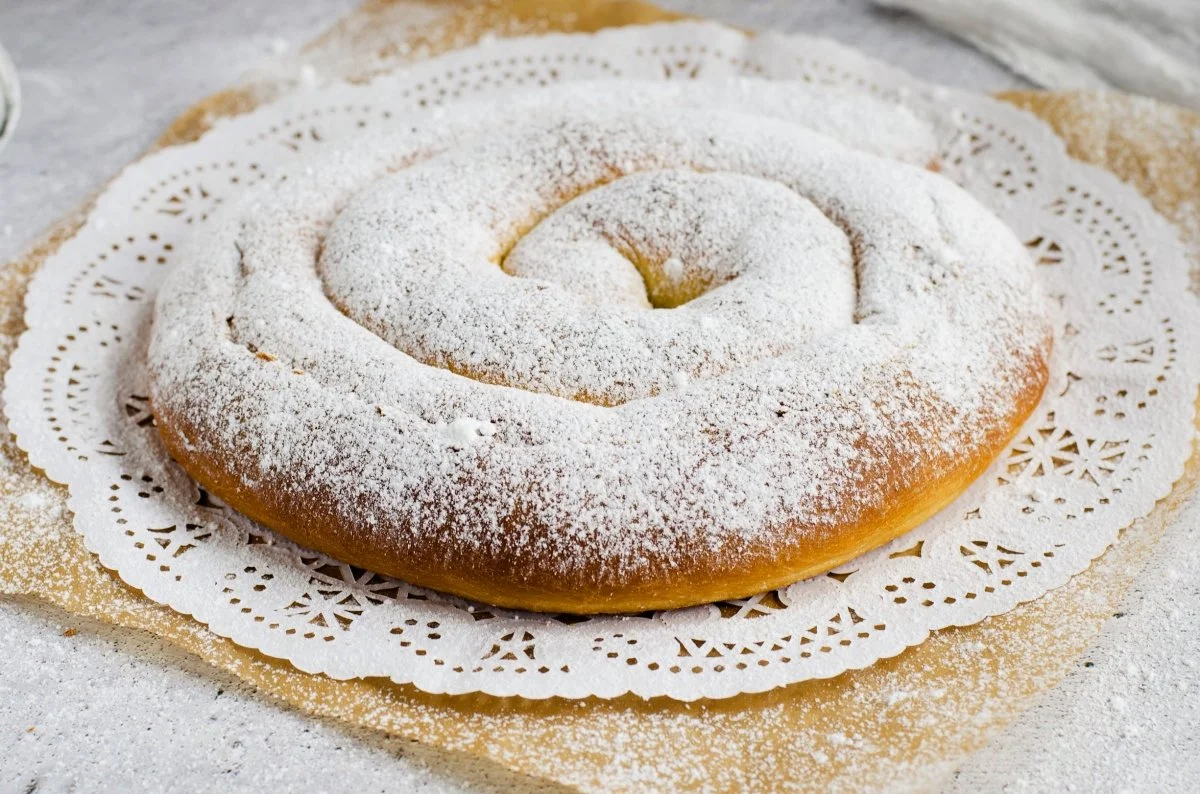
The ensaimada is probably the most famous product of Mallorca. It is a sweet dough sweet, spiral rolled and traditionally made with saïm, lard. It can be taken alone, filled with angel hair, cream, cream, chocolate or sobrasada, depending on the taste and the moment.
Although many people buy it as a souvenir before returning home, the ideal is to try it on the island, freshly made, in a good pastry shop. The difference between an industrial ensaimada and a well-crafted one is enormous: it changes the texture, the aroma and that aerial sensation that a good dough should have.
Pa amb oli
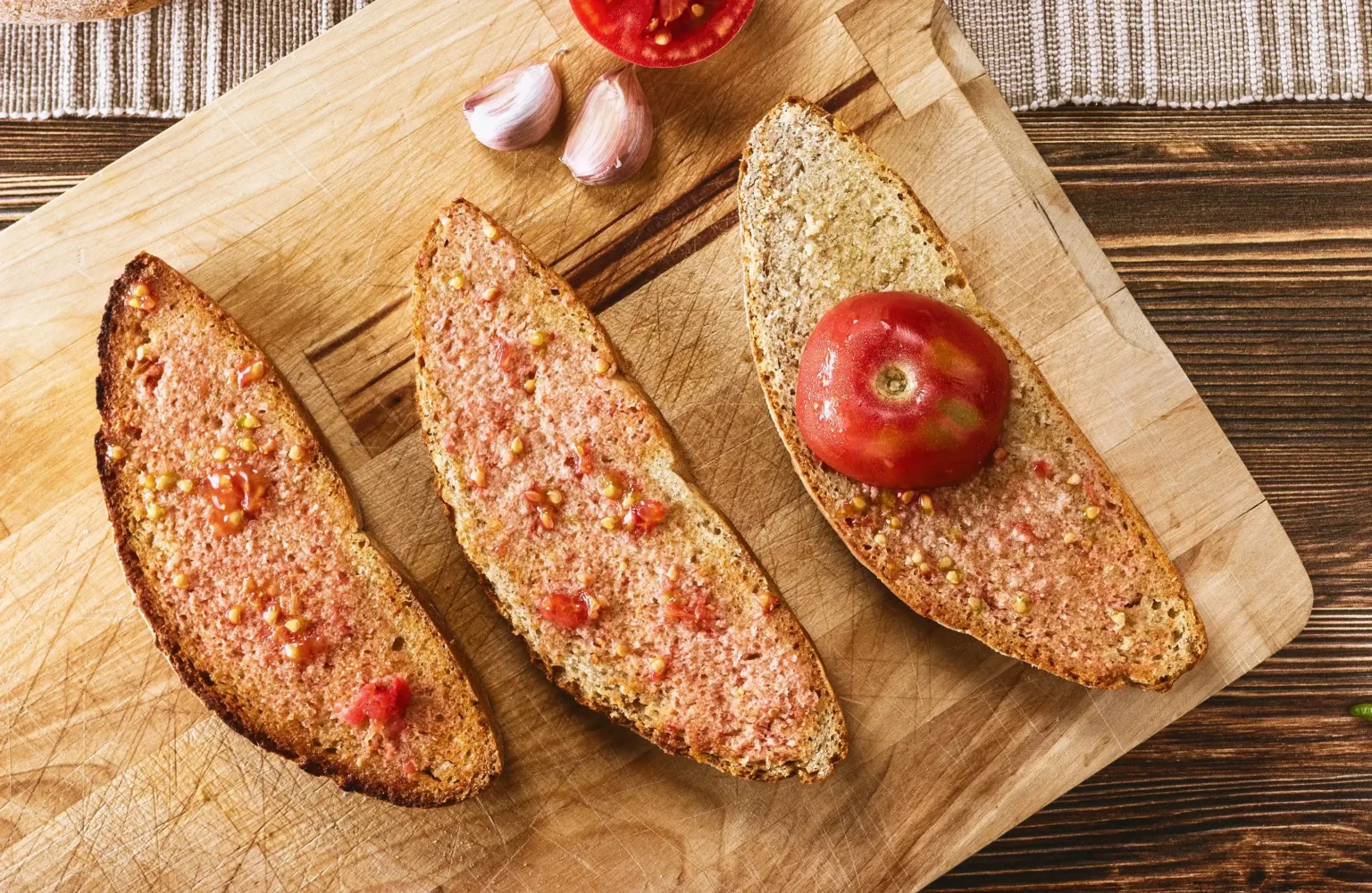
Pa Amb Oli is one of those seemingly simple foods that explain Mallorca’s cuisine very well. Brown bread, Ramallet tomato, olive oil, salt and, depending on the case, sausages, cheese, fish, olives or pickles.
The magic is in the product. A good bread, a suitable tomato and a quality oil make something basic into a deeply local experience. It can function as an informal dinner, blunt snack or dish to share. If it’s your first time on the island, it’s one of those essentials that you shouldn’t skip.
Sobrasada
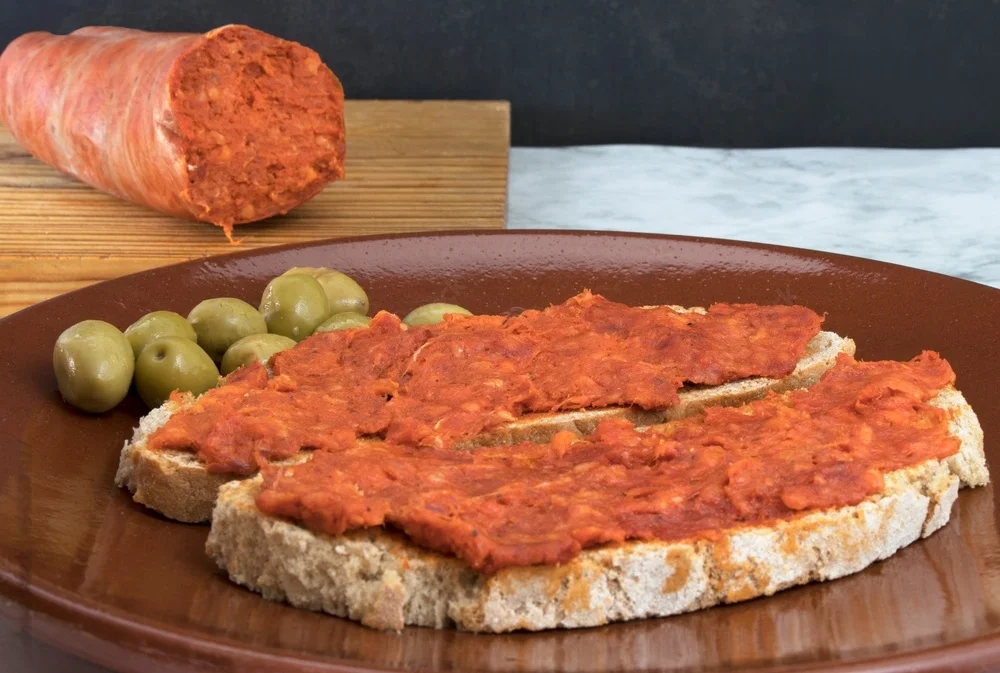
The Sobrasada is another Majorcan emblem. It is made with pork, paprika and spices, and has a very characteristic unctuous texture. It can be eaten on bread, slightly heated, combined with honey or incorporated in more elaborate recipes.
The interesting thing about La Sobrasada is that it represents that interior Mallorca that is often overshadowed by the beach postcard. It is intense, greasy, spicy and deeply linked to the island’s tradition.
If you are looking for what to eat in Mallorca to understand your identity, the Sobrasada must be on the list. But, again, it is convenient to choose well: not all sobrassadas have the same quality or the same origin.
Arros Brut
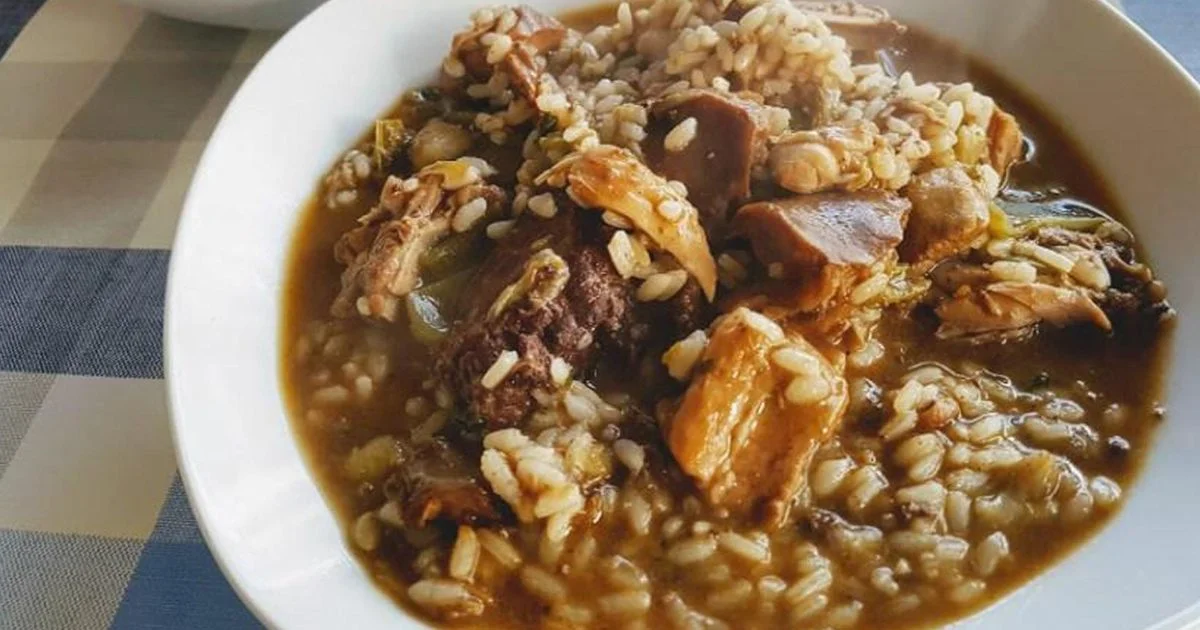
Arrós Brut, literally “dirty rice”, is a brothy, spicy and very tasty rice. Its dark color comes from the mixture of meats, vegetables, mushrooms and spices. It is not a seafood rice to use nor a tourist paella: it is a dish with its own character.
It is ideal for those who want to try a deeper Mallorcan food, with a spoon, with nuances and tradition. It has that comforting point of the dishes made to sit without haste.
Tumbet
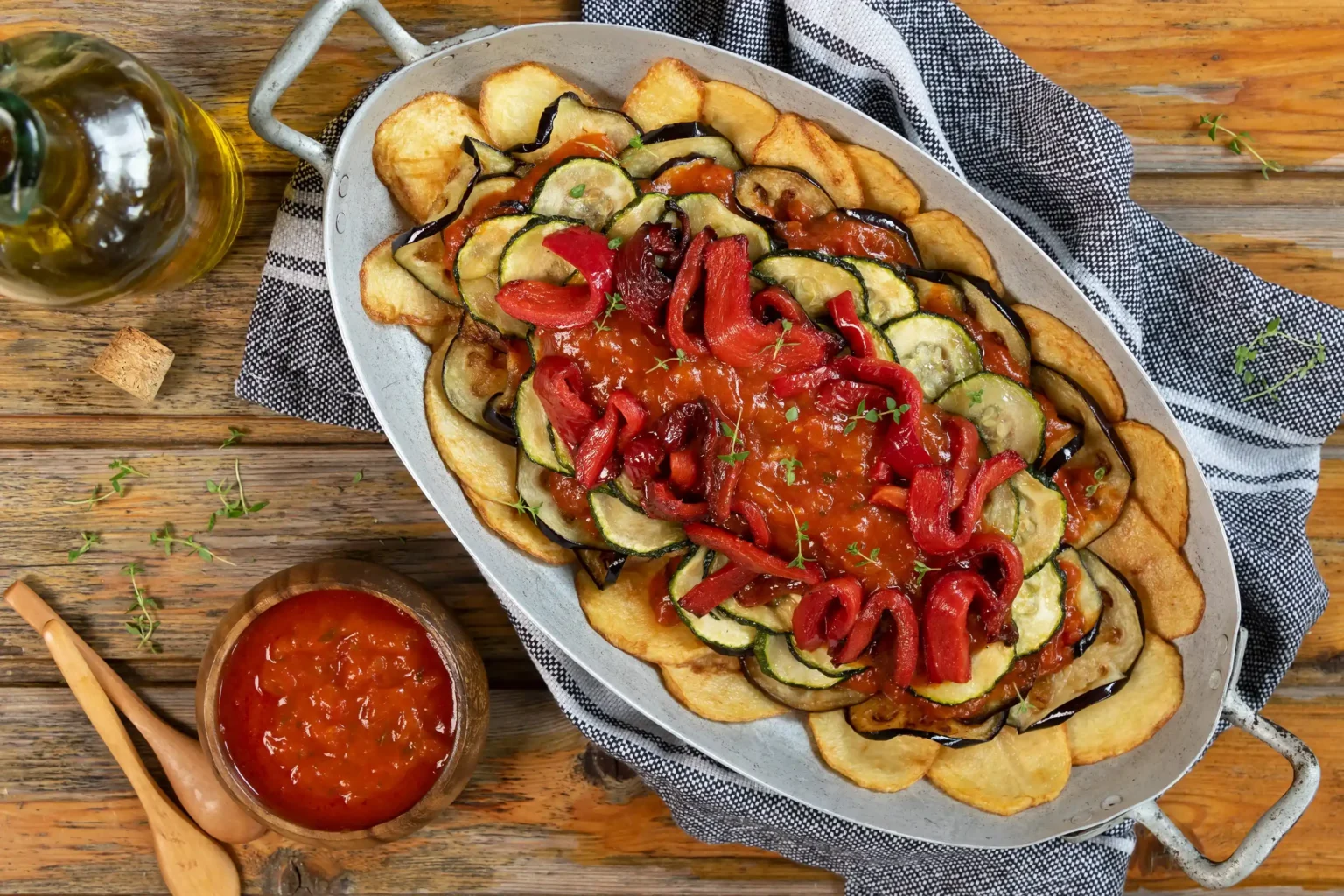
Tumbet is one of the great vegetable dishes of Mallorca. It is prepared with potato, eggplant, red pepper and tomato sauce, normally cooked separately and then layered.
It can accompany meat or fish, but it also works as a main dish. It is Mediterranean, simple and very representative of a cuisine based on seasonal vegetables.
For those looking for meat-free options or want to try something lighter, the Tumbet is an excellent choice. In addition, it connects very well with that current sensitivity towards the product kitchen: few ingredients, good technique and recognizable flavor.
Frit Mallorquí
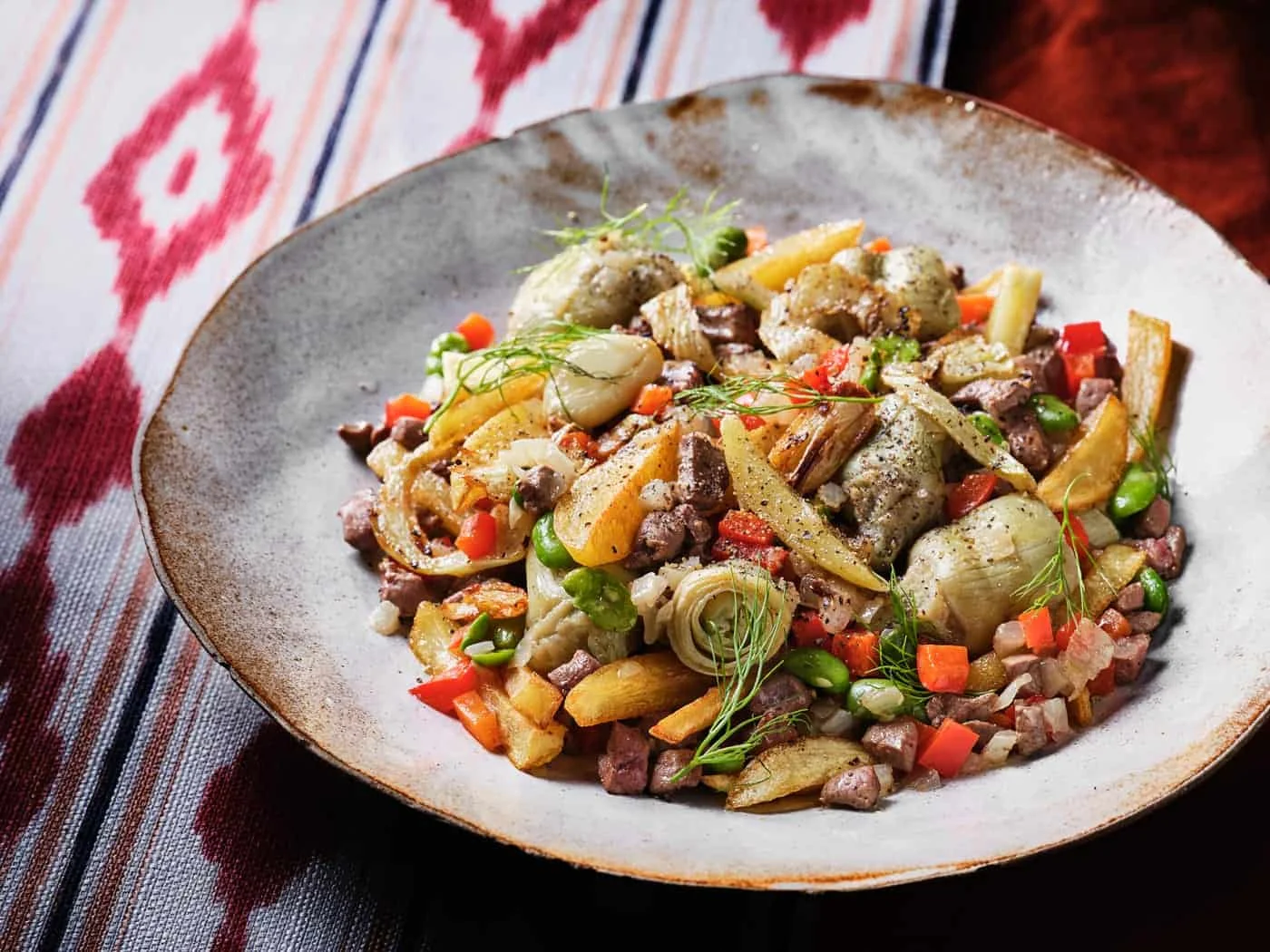
Frit Mallorquí is a traditional dish made with meat, potatoes, pepper, onion, garlic, fennel and spices. There are different versions, including the Frit de Matanzas and the Marinero Frit.
It is a powerful dish, with a marked flavor, closely linked to popular cuisine. It is not always the lightest option, but it is one of the most local for those who want to know the most traditional part of the Mallorcan recipe book.
Tramp coca and cocarrois
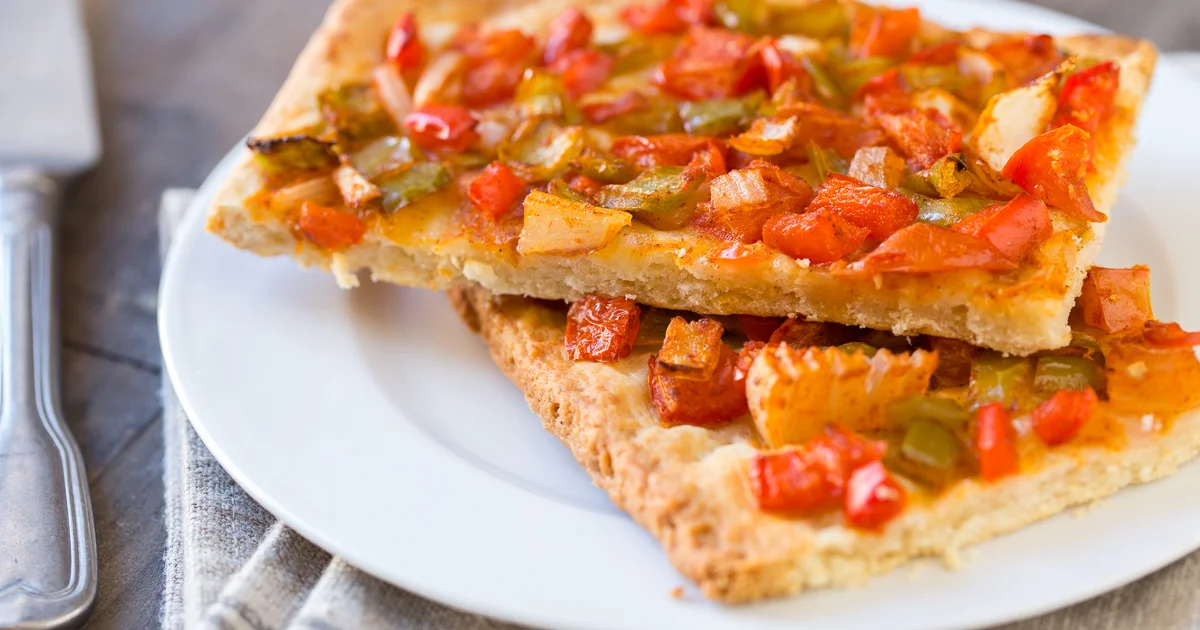
Trampó coca is a fine dough covered with a mixture of tomato, pepper and onion. It is simple, tasty and very common in ovens and bakeries. Cocarrois, on the other hand, are stuffed doughs, usually with vegetables, with a characteristic semicircular shape.
Both are perfect for understanding Mallorca’s relationship with the oven. Not everything in the gastronomy of the island happens in restaurants: many jewels are in bakeries, markets and workshops.
They are ideal options for eating something fast without falling into generic food. If you are touring towns or planning a weekend route, they can be a very grateful gastronomic stop.
Mallorcan Variat
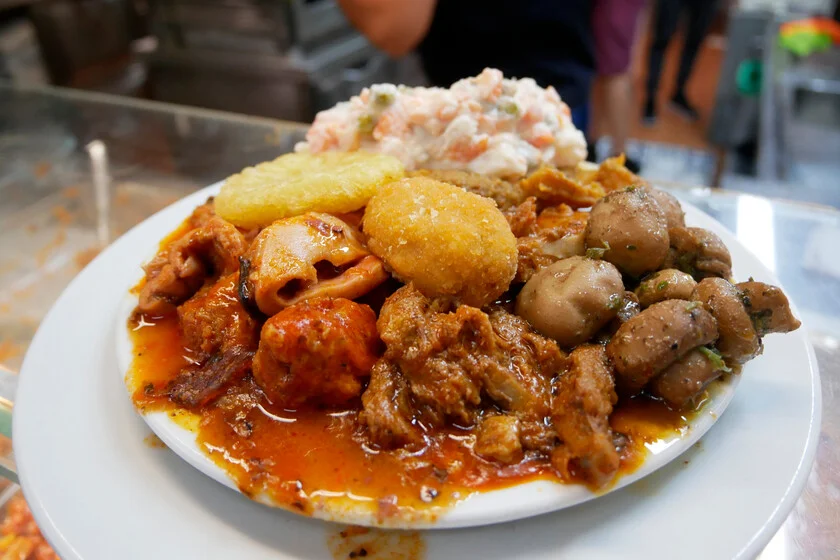
The Variat is a combination of small portions served together on the same plate. It can include salad, meatballs, squid, croquettes, fried, pica-pica or other preparations depending on the place.
It is informal, abundant and very bar. Perhaps it is not the most refined dish of Majorcan gastronomy, but it is one of the most popular. It has some local ritual: sitting down, asking for a variat and sharing without too much ceremony.
Almond and potato coca cat
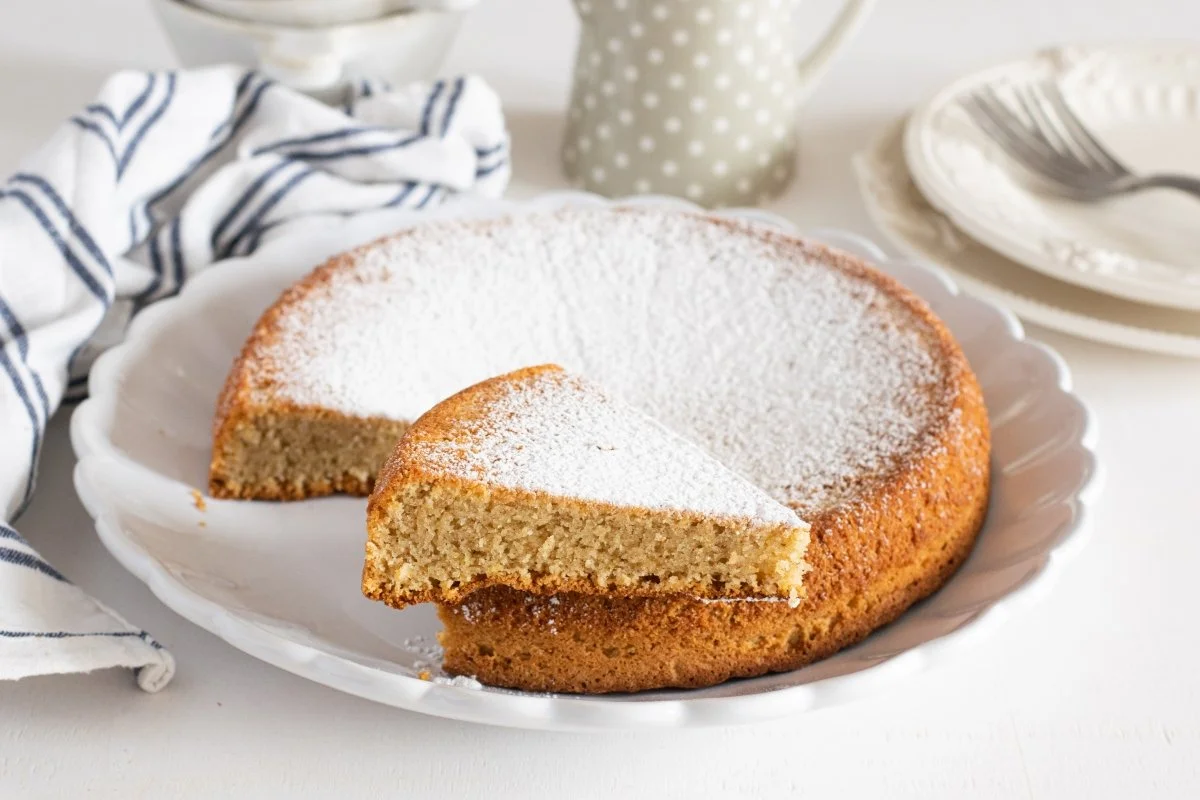
The almond cat is a traditional cake made from Mallorcan almond, usually served with ice cream. Coca de Potato, typical of Valldemossa, is a sweet, soft and fluffy piece that is usually taken with hot chocolate or coffee.
What to eat in Mallorca if you are looking for more than traditional cuisine
There is a question that many guides do not answer well: What if you have already tried the ensaimada, the pa amb oli and the sobrasada? What to eat in Mallorca if you want something with a local identity, but not necessarily traditional?
There appears a more current gastronomic Mallorca. An island where lifelong bars, traditional ovens, markets, products restaurants, creative Mediterranean cuisine and author proposals that look to the territory from contemporary techniques.
The current gastronomic Mallorca
Mallorca is no longer just a destination where “eat something typical”. For many people, especially residents foodies and travelers with gastronomic sensibility, food is a central part of the trip.
That is why the current Majorcan cuisine should not be understood as a break with tradition. It is more of an evolution. Tradition brings product, memory and flavor. Contemporary technique provides precision, lightness, contrast and new ways of presenting the island.
Fusion kitchen well understood, when the local product rules
The word “fusion” is sometimes misused. It may sound like arbitrary mix, fashion concept or rootless cooking. But when done right, the fusion doesn’t erase the origin but rather it focuses on it from another perspective.
In Mallorca, a meaningful fusion should start from the local product. Fresh fish, island citrus, seasonal vegetables, oil, rice, almonds, Mediterranean herbs. From there, the technique can come from another place, but the story is still a Mallorcan.
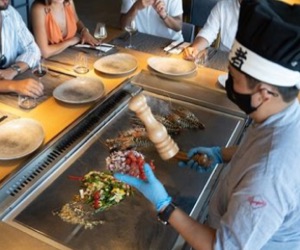
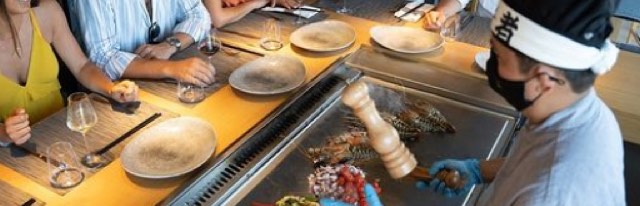
In our case, this is the idea that we are most interested in defending: Not all Japanese cuisine in Mallorca is a global proposal with no link to the island. When the Japanese technique is used to enhance local fish, texture, cut, fire or purity of the product, it can become a very precise way of talking about the Mediterranean.
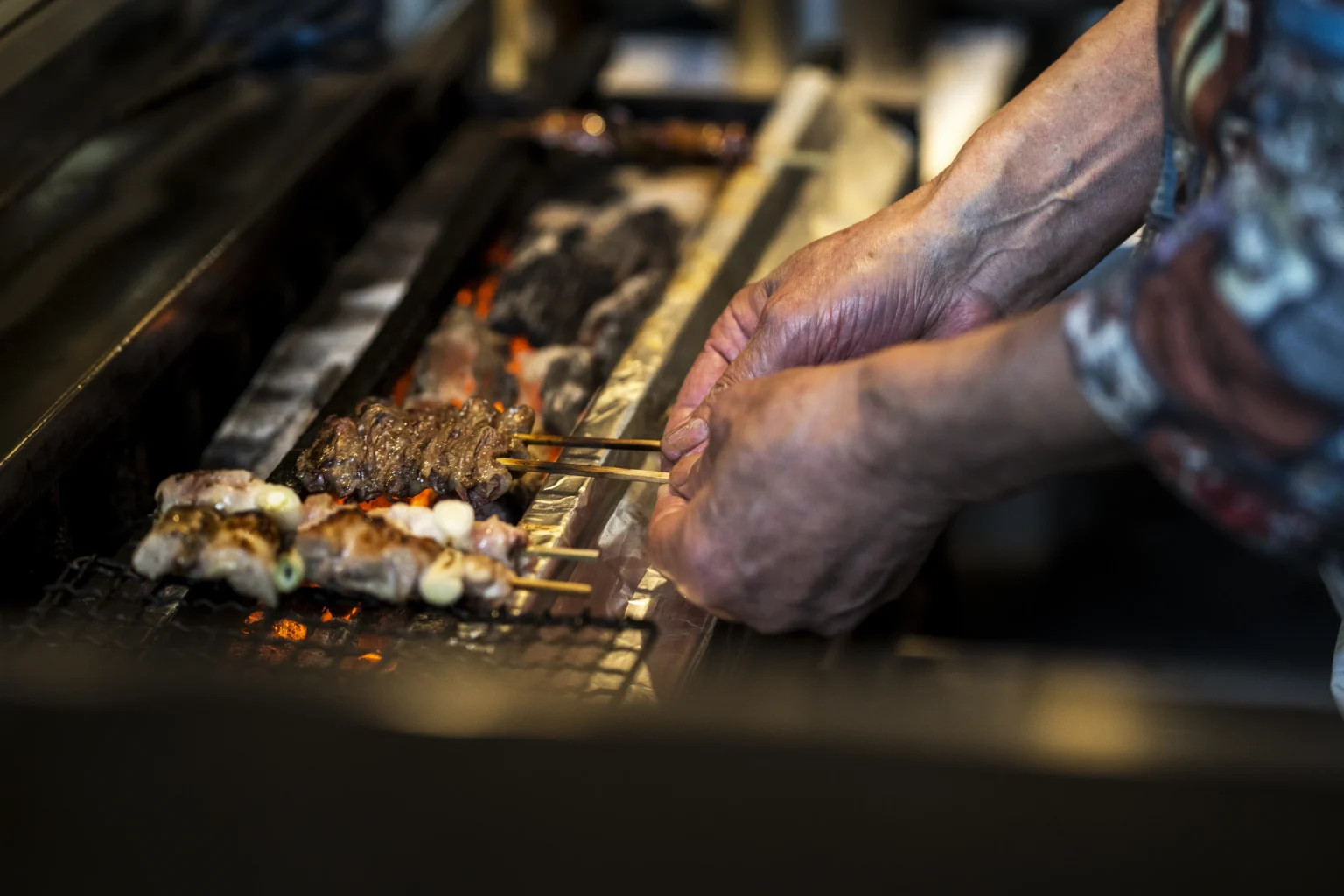
Discover another way to savour Mallorca’s local produce
If you are already exploring the island’s essential flavours, you can also discover how fire, Japanese technique and Mediterranean produce come together in a different gastronomic experience, designed to enjoy Mallorca with more calm, curiosity and intention.
Tips for choosing well what to eat in Mallorca
Mallorca’s gastronomic offer is enormous. That’s good, but it can also be a trap. There are excellent restaurants, traditional ovens, authentic bars and very careful author proposals. But there are also menus designed to get out of the way, repeated letters and places where the word “typical” is used more as a claim than as a guarantee.
If it’s your first time on the island
If it’s your first time, start with the classics. Not because they are the only important thing, but because they will give you a basis to understand the island.
Try a good ensaimada, a pa amb oli with quality product, sobrasada, tumbet, arrós brut and some traditional sweets. Try to combine restaurants, ovens, markets and local bars. Mallorca is not eaten in a single format.
Avoid choosing only by tourist location. A beautiful terrace can be very good, but it does not always guarantee good cuisine. Look at the menu: If everything seems designed to like any tourist in any destination, you probably are not facing the most authentic experience.
If you have already tried the classics
If you already know the typical, look for nuances. Ask yourself what product you want to try best: fish, rice, vegetables, oil, almonds, citrus, sobrassada, bread, seafood, local meat.
From there, choose experiences that work that product with intention. It can be a traditional restaurant, a food house, a market bar or a contemporary proposal.
This is where well-made fusion cuisine gains meaning as a way to continue exploring the island when you already know its most obvious dishes.
If you are looking for a special or different dinner
For a special dinner, the criteria should change. It is no longer just about eating something typical, but about choosing environment, technique, views, service, letter and coherence.
A good gastronomic experience in Mallorca can include local product, Mediterranean inspiration, international technique and a memorable environment. If you are also looking for plans that combine gastronomy and visual enjoyment, you may be interested in our selection of Best Rooftop Bar in Palma de Mallorca.
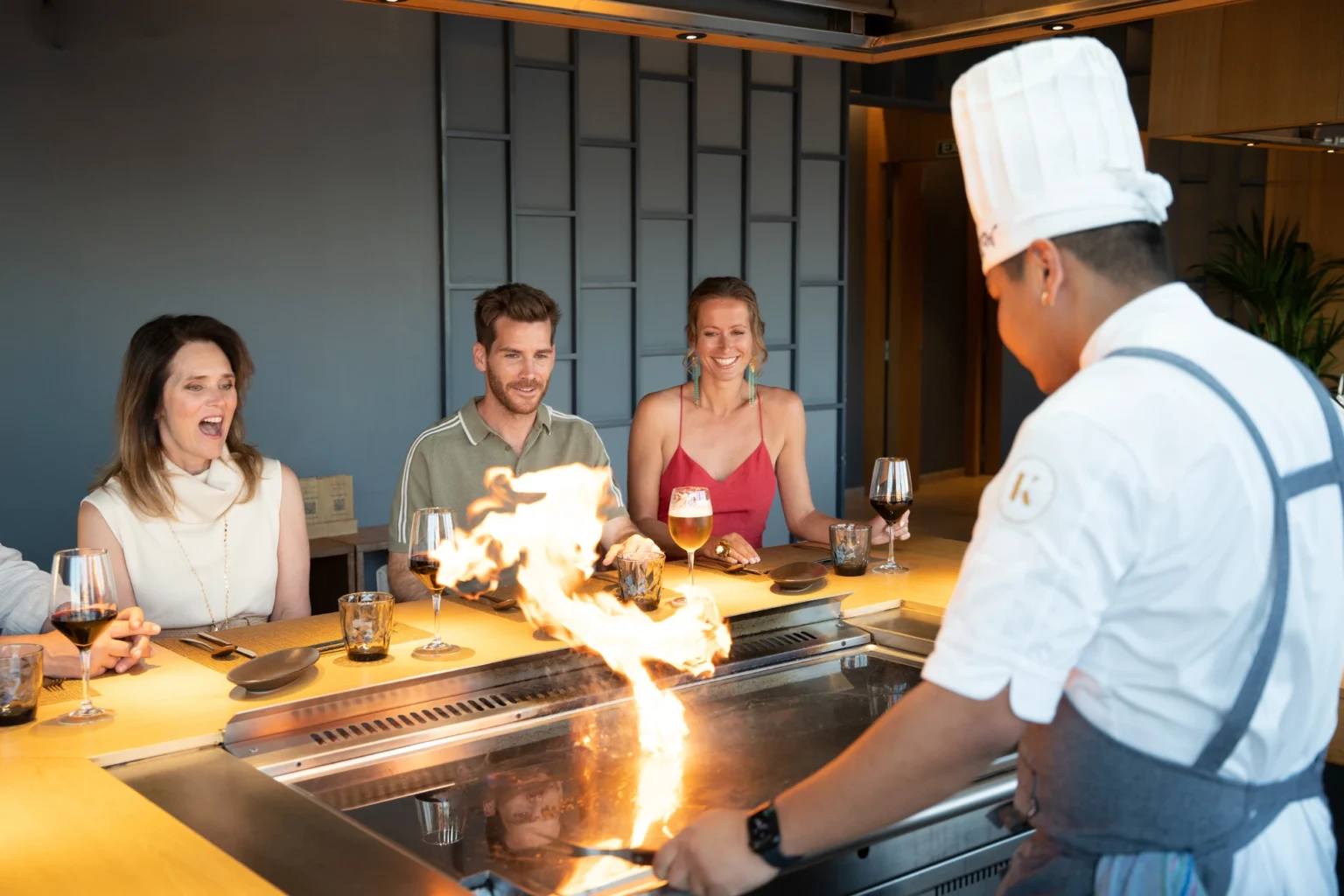
Take your gastronomic journey through Mallorca to new heights
After discovering the island’s classic flavours, Katagi Blau invites you to experience a more contemporary interpretation of local produce: Mallorcan-Japanese fusion cuisine, precise technique, a rooftop atmosphere and a dinner designed to let you remember Mallorca from a different point of view.
And if you are organizing a quiet weekend route, you can also complement the gastronomic part with ideas of plans in our guide on What to do on a Sunday in Mallorca.
Frequently asked questions about what to eat in Mallorca
How to differentiate a local restaurant from a tourist menu in Mallorca?
A good sign is that the card has focus. The most original restaurants or with a local imprint do not try to offer everything to everyone, but they usually work few dishes, recognizable products and elaborations consistent with the season or with their gastronomic proposal.
It is also convenient to look at the origin of the ingredients, whether there are references to local products and whether the menu seems to be designed for the island or for any tourist destination. If you see a huge mix of frozen paellas, pizzas, hamburgers, cheap sangria and “typical dishes” without identity, you are probably facing a more touristic than gastronomic experience.
What is more worth it: eating in Palma or touring towns in Mallorca?
It depends on the type of experience you are looking for. Palma concentrates a lot of contemporary gastronomic offer, restaurants with views, well-crafted international cuisine and author proposals. It is ideal if you want a special dinner, an urban route or a more sophisticated experience.
The towns, on the other hand, tend to offer a more direct relationship with traditional ovens, indoor cuisine, markets and popular dishes. The ideal is to combine both worlds: try the most traditional Mallorca during the day and reserve a more careful gastronomic experience for the night.
Can fusion cuisine in Mallorca be considered local cuisine?
Yes, whenever you leave the territory. Fusion cuisine does not become local because it is physically in Mallorca, but to work with the product of the island, dialogue with its gastronomic identity and provide a coherent look.
A Mallorcan-Japanese proposal, for example, can be considered local if you use Japanese technique to enhance fish from fish from fish to fish from fish, citrus, Mediterranean vegetables or native ingredients. The key is that the technique does not hide the product, but rather makes it shine.